Air
Micro UAV reconnaissance and navigation.
HMDS 2027Student competition
HEterogeneous RObot Challenge
Two tracks: Robotics and CanSat.
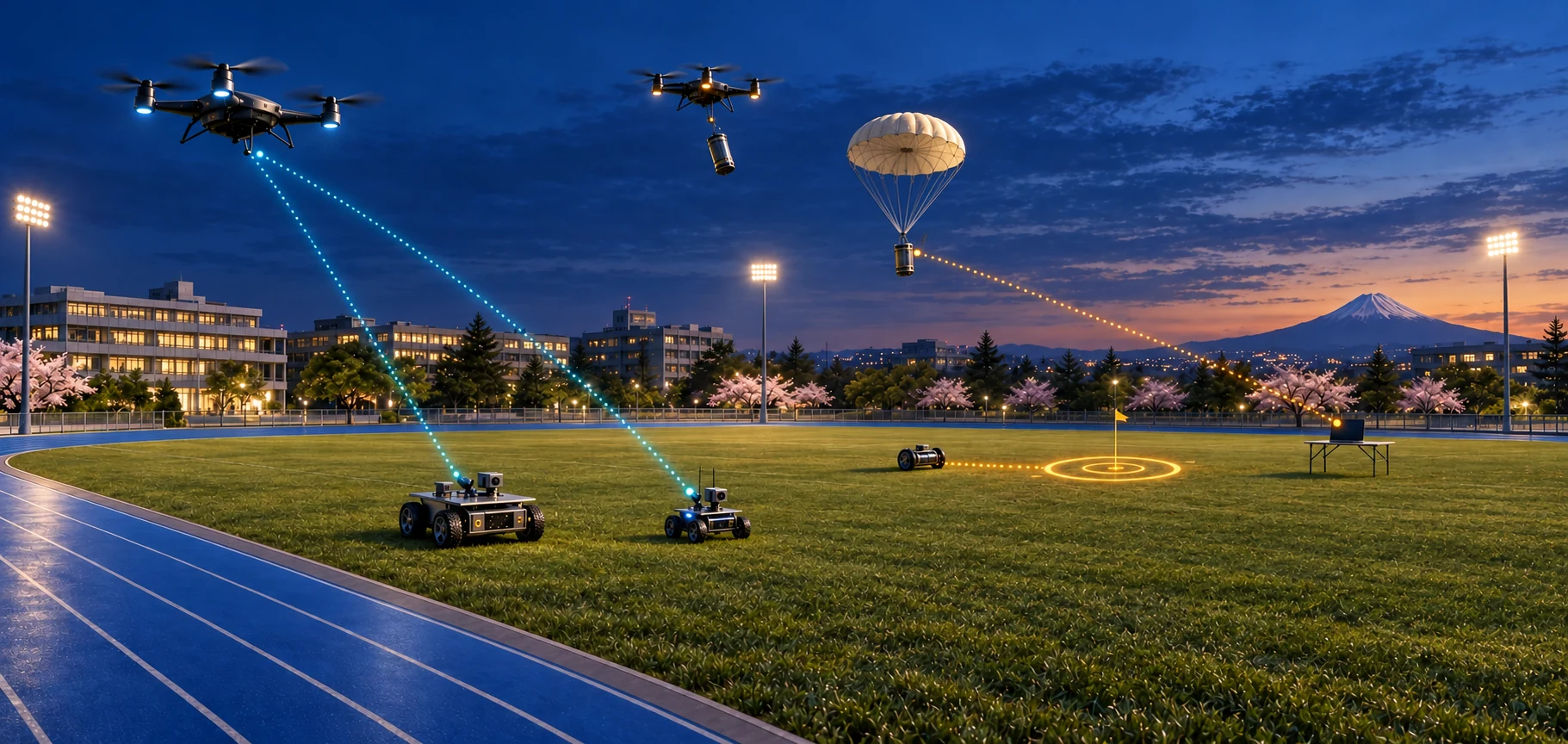
Drone navigation, Drone Soccer, ground-robot competitions and cooperative Air + Ground missions.
Drone Racing and Drone Soccer will be co-organized with PYC DRONE LABORATORY.
Compete with individual robots or combine aerial and ground systems for cooperative missions.
Mission completion, correct information transfer and demonstrated autonomy are rewarded above raw speed.
Micro UAV reconnaissance and navigation.
UGV checkpoint and obstacle navigation.
Compete with one robot or a coordinated team of robots.
Drone navigation, Drone Soccer and ground robot competitions. Each platform competes independently.
Drone navigation · Drone Soccer
Exact obstacle sizes, positions and inspection dimensions are defined in the official Edition Annex.
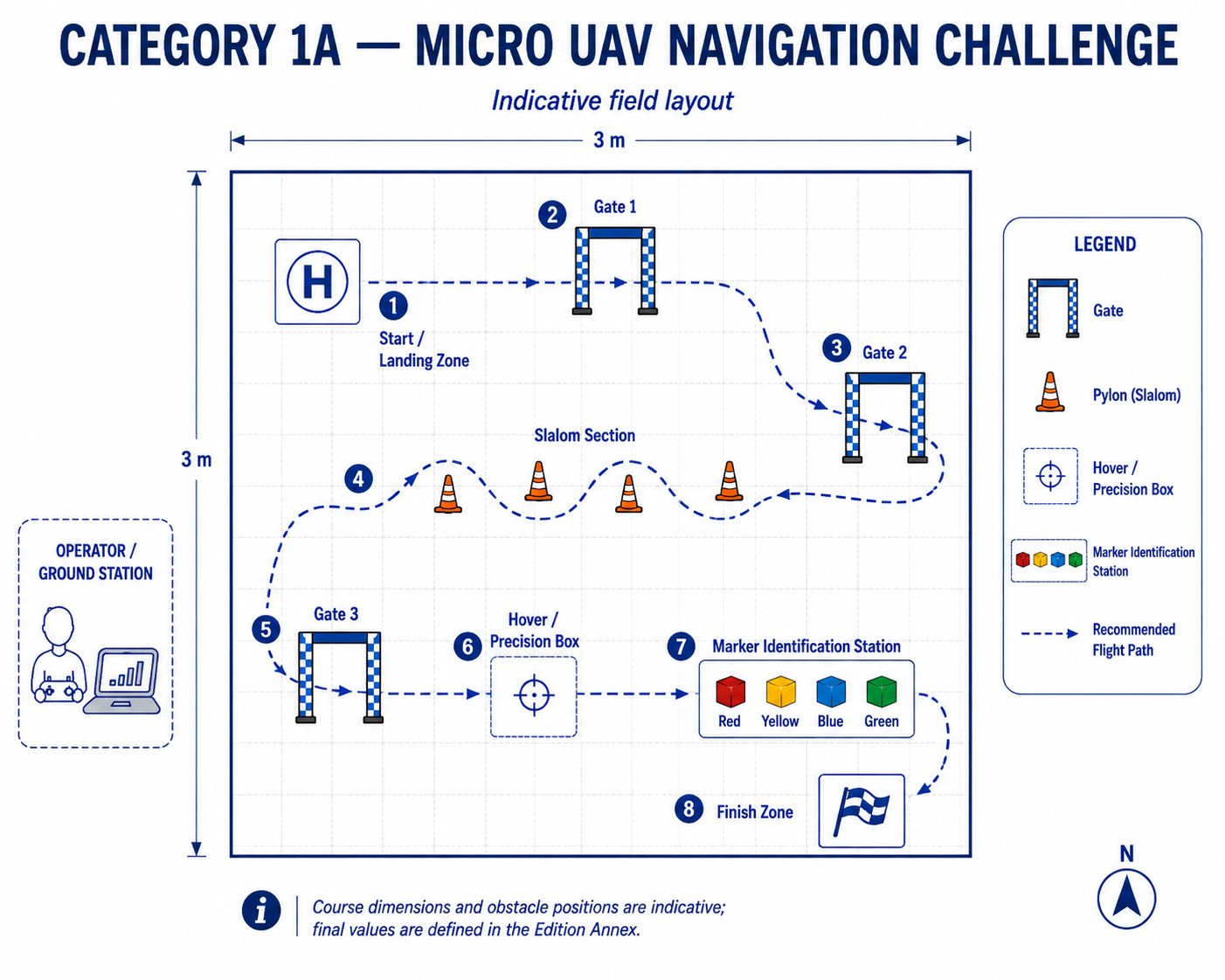 UAV
Compact indoor arena
UAV
Compact indoor arena
Gates, controlled navigation and aerial mission perception.
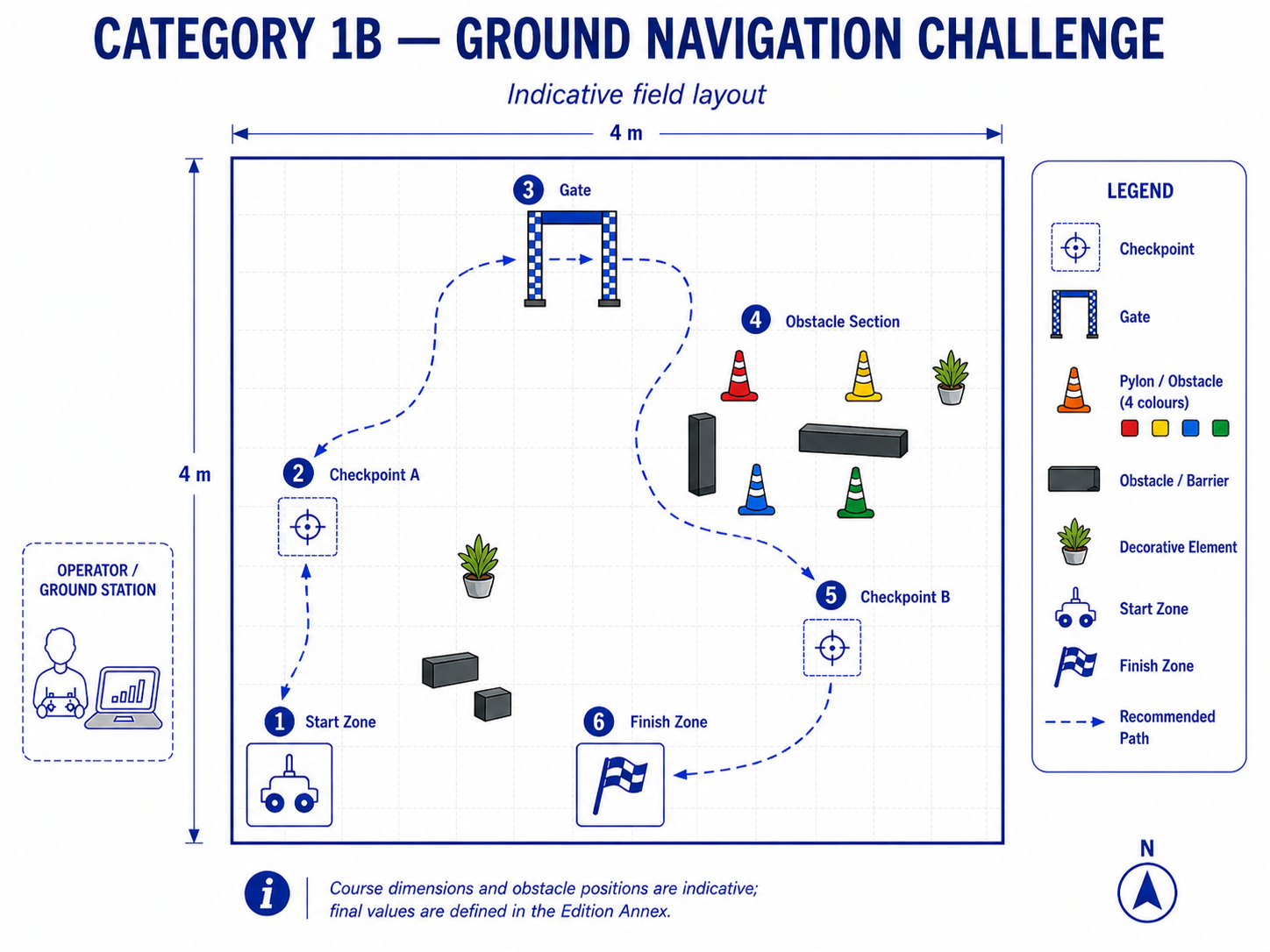 UGV
Approximately 4 m × 4 m
UGV
Approximately 4 m × 4 m
Checkpoints, gate, obstacles and colour-coded navigation elements.
Teams may compete at different levels of autonomy. Higher demonstrated autonomy increases the scoring multiplier in cooperative categories.
Vehicle actions are commanded directly by an operator.
× 1.00One or more mission segments execute automatically.
× 1.15Mission execution is autonomous with limited supervisory intervention.
× 1.30No operator input after the Start Signal, including information handover.
× 1.50Single-robot scoring considers task completion and performance. Cooperative scoring also considers information sharing and autonomy.
Elapsed Time + Penalties
Lowest valid score wins.
(Task Points × Autonomy Multiplier) + Time Bonus − Penalties
Highest valid score wins.
Teams may include up to eight student members.
Motors, sensors, flight controllers, ESCs, cameras, computers and commercial subsystems may be used.
Complete commercially available robotic platforms may not compete in their original configuration. Commercial platforms may serve as a development basis only when substantially modified by the team.
Sensor selection, computing architecture, perception, communication and control methods remain engineering choices unless specifically restricted by the rules.
See competition registration for fees and inclusions.
Vehicles require an accessible method of disconnecting main power.
Each vehicle requires an appropriate safety or abort function.
Batteries and other energy-storage devices must be securely installed.
Propeller protection is mandatory for the micro-UAV challenge.
Competition dates and workshop times will be announced once confirmed.
Technical inspection, followed by single-robot competitions for aerial and ground robots, including FPV categories. Each category has its own winner. Drone Soccer opening rounds also take place.
Robotics: cooperative Air + Ground competitions.
CanSat: Junior—parachute descent, data transmission and landing; Senior (Comeback)—descent, deployment and autonomous ground return.
Drone Soccer: final match.

PYC will co-organize the Drone Racing and Drone Soccer activities at HERO Challenge.

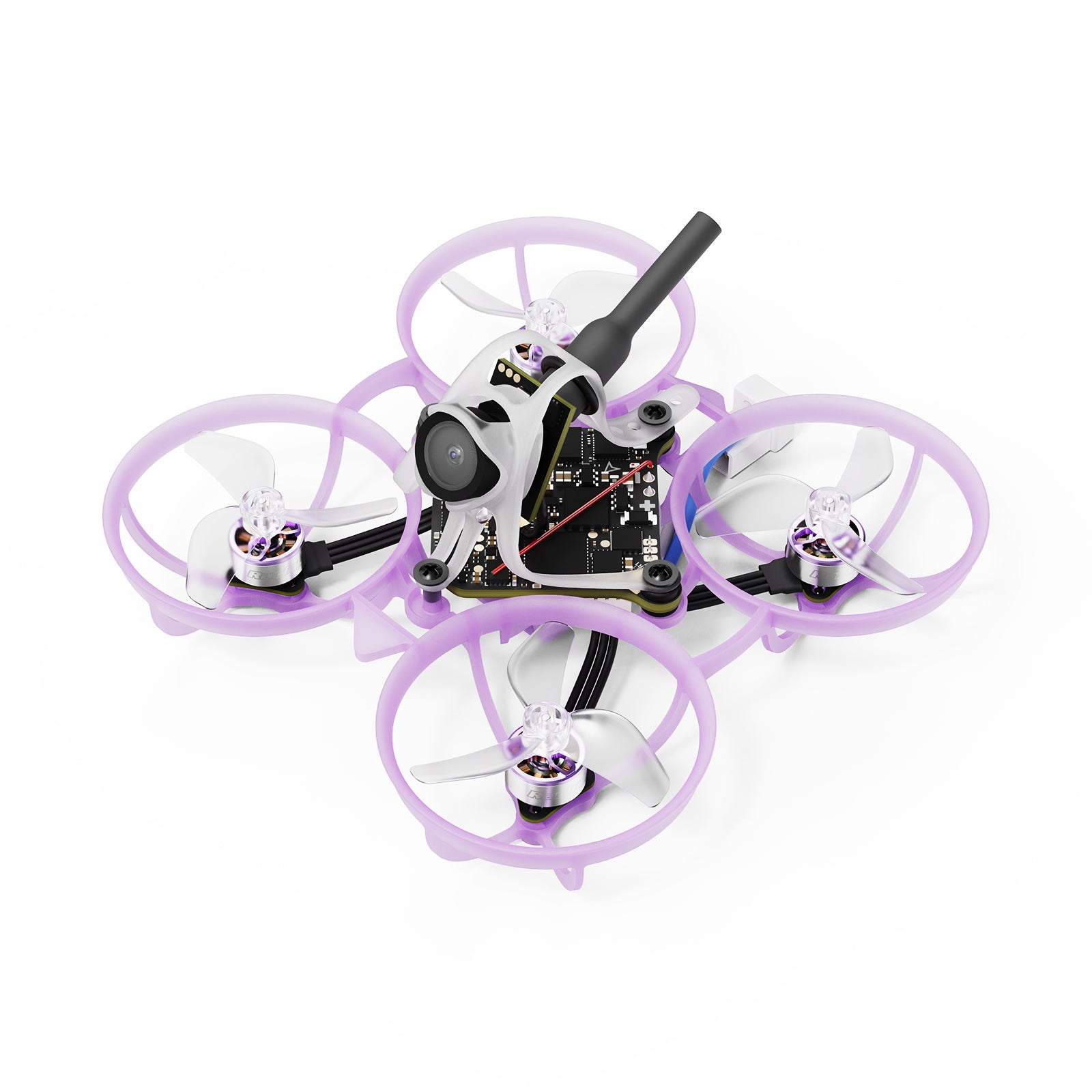
BETAFPV supports HERO Challenge through the provision of FPV equipment.

Registered HERO Challenge teams can receive 25% off all products in the ODrive worldwide or US web shop.
One fee covers both Robotics and CanSat. Choose the categories you plan to enter.
Registration is not yet open. Contact us about registration.
Not included: symposium admission, travel and accommodation. Optional travel programmes are available through KaiLinks.